
When someone receives the gift of sight, they likely never think about the countless quality checks, process improvements and behind-the-scenes collaboration that helped make that transplant possible.
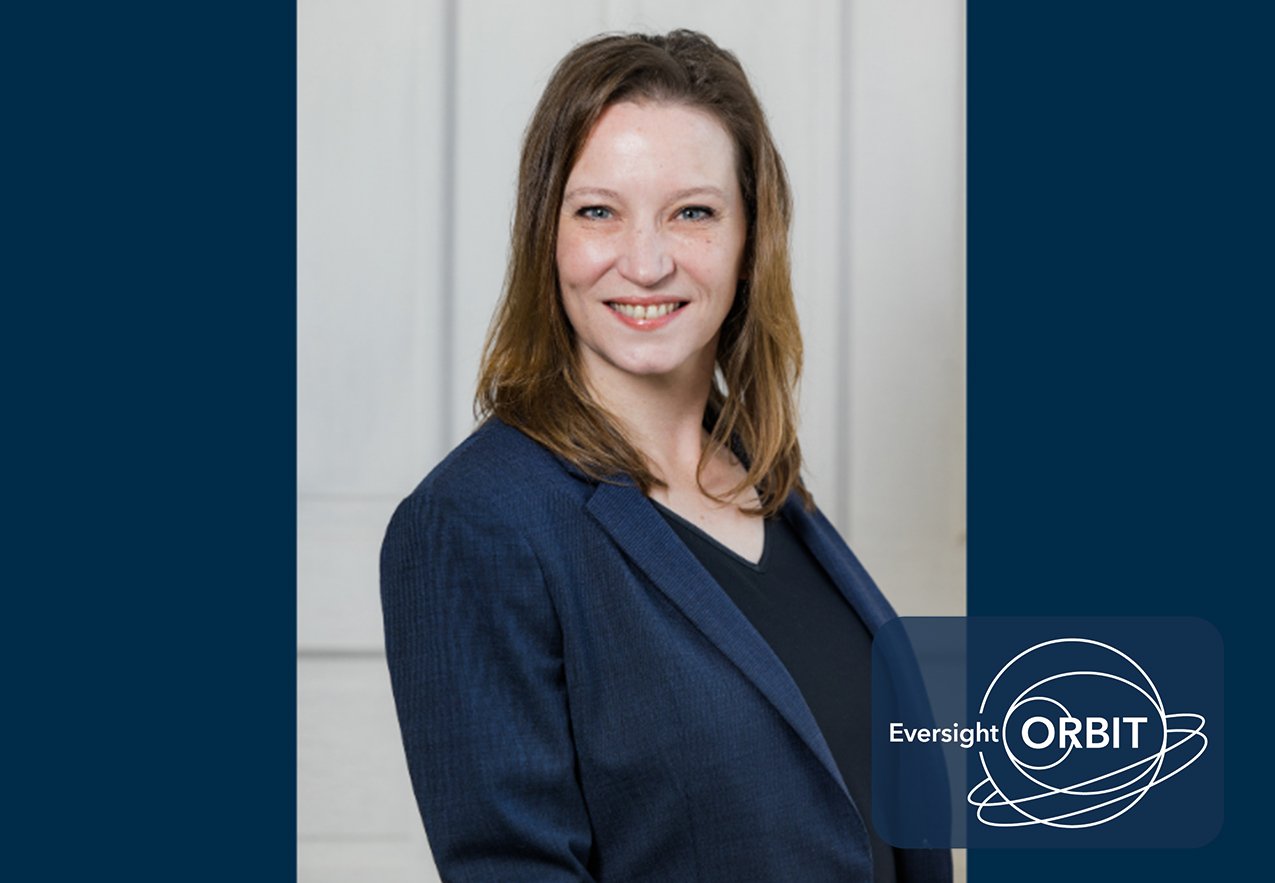
As Eversight's Director of Quality & Training, Susan Hurlbert, CEBT, and her team work quietly behind the scenes, partnering with nearly every department across the organization to help ensure donor tissue is handled safely, regulatory standards are met and every process continues to improve.
"It's all about keeping recipients safe," Susan said. "We're not here to say, 'Gotcha—you made a mistake.' We're here to make sure we're following the rules for the right reasons and continuously improving our processes."
Quality Improvement & Compliance may not always be the most visible part of Eversight's work, but it touches nearly every step of the cycle of sight.
Career progression
Susan has spent more than 22 years in eye banking, but she didn't begin her career in Quality.
She started in Eversight's former Bloomington, Illinois office, where a small recovery team handled nearly every aspect of the donation process—from donor screening and family conversations to recovery, tissue evaluation and preparing tissue for transplant. 
That experience gave her something invaluable: firsthand knowledge of the realities clinical teams face every day.
In 2011, Susan focused on other roles including donor eligibility and laboratory work; and two years later, she transitioned into a new role in Quality. Along the way, she also became responsible for organization-wide autopsy reviews, adverse reaction investigations, and clinical policies and procedures.
She even discovered an unexpected passion for technology and coding, becoming Eversight's liaison for the software program it uses to track donor information, and earning her beginner SQL certification after finding she loved solving technical problems.
"I love that Eversight gave me the opportunity to follow this passion," she said.
Today, that diverse experience shapes how she leads her department.
What is Quality Improvement & Compliance?
When people hear the word "quality," they often picture inspections, audits or someone looking for mistakes.
Susan hopes to change that perception.
"Really, it's all about those high standards for safety, quality and excellence," she said. "We want to distribute the absolute best quality, safest tissue for patients."
At Eversight, the department is intentionally called Quality Improvement & Compliance because improvement is just as important as compliance.
When something doesn't go as planned, the goal isn't to assign blame. Instead, the team works alongside the people involved to understand exactly what happened. They examine environmental factors, workflows, communication and other influences to identify the true root cause and determine how the process can be improved moving forward.
One of the team's favorite tools is something called the "Five Whys"—continuing to ask why something happened until they uncover the real issue rather than simply treating the symptom.
"We don't just care about pointing out the mistakes," Susan said. "We want to fix the root of the problem."
Or, as Susan likes to put it: "We are deviation detectives."
Quality throughout the cycle of sight
So, where does Quality fit into Eversight's mission? Susan's answer is simple: "Anywhere you can possibly imagine along the way."
Long before tissue reaches a surgeon, Quality is already involved.
The team helps answer donor eligibility questions during screening, provides guidance during recovery when unique situations arise, and evaluates questions surrounding tissue suitability.
As tissue moves through the laboratory, Quality monitors environmental conditions, equipment, temperature records, sterilization processes and case documentation. If a shipment experiences a temperature deviation or another unexpected event, Quality evaluates the situation to determine whether tissue remains suitable for transplantation.
If an issue is identified before placement, the team works immediately with the Tissue Distribution team to pause tissue placement while an investigation takes place. After transplantation, Quality works with Partner Relations to collect follow-up information from surgeons to better understand outcomes and identify opportunities for improvement.
In many ways, Quality serves as the important link connecting every stage of the cycle of sight.
A partner to every department
Quality doesn't operate in isolation. Whether Facilities is installing new laboratory equipment, Clinical Operations is updating procedures, Tissue Distribution has a question or Partner Relations is gathering surgeon follow-up, Susan's team is often involved.
Even new equipment must undergo extensive qualification testing before it's used in clinical operations to verify it performs exactly as intended and produces reliable results.
Susan is particularly excited about working with and overseeing Eversight’s Clinical Education & Training team because it creates an opportunity to strengthen Eversight's continuous improvement efforts.
Training happens on the front end. Quality reviews happen on the back end. Together, those findings create a feedback loop that helps improve future training, strengthens processes and ultimately reduces the likelihood of repeat issues.
More than inspections
Inspections from organizations like the U.S. Food and Drug Administration and the Eye Bank Association of America can understandably make people nervous.
But Susan says the purpose isn't to intimidate anyone. Instead, inspections help ensure organizations are consistently meeting standards designed to protect transplant recipients.
"They really just want to make sure that everything is safe and we welcome the insights they can bring," she said.
And if something does happen?
"It's okay to make a mistake,” she said. “Quality is that buffer. We are the ones who are going to help explain things to the inspector for you."
That same philosophy extends well beyond inspections.
The department continually reviews policies, updates procedures as regulations evolve, and works closely with Eversight’s medical directors to ensure Eversight continues delivering the safest tissue possible.
Finding purpose through improvement
Ask Susan what makes her proudest, and it isn't passing inspections or audits. It's watching teams come together to solve problems. She loves helping departments uncover opportunities for improvement, making processes easier to follow and preventing future issues before they happen.
For Susan, every improvement—whether it's refining a policy, improving training or identifying a trend across hundreds of cases—helps strengthen Eversight's mission.
Outside of her daily work, she also enjoys sharing those lessons with the broader eye banking community, helping advance best practices beyond Eversight's walls.
"We're here to help improve the processes to get the best outcomes that we can," she said.
It's a simple statement, but one that reflects the department's role across Eversight. Together, those efforts strengthen every step of the cycle of sight, helping ensure each gift entrusted to Eversight reaches patients safely while honoring the generosity of every donor and their family.
Because while Quality may work behind the scenes, its impact can be seen in every life changed by the gift of sight.
Explore more
Every role at Eversight helps advance the gift of sight. Explore more employee stories and learn how our team members contribute to restoring sight and preventing blindness through the healing power of donation, transplantation and research.