
Imagine driving to meet friends for dinner. It’s dark, it’s raining, and the roads are unfamiliar. Road signs blur in front of you, and no matter how many times you blink, you still can’t make out where you are.
You realize you’re lost. By the time you arrive, the fear of getting into an accident has overshadowed the evening. And when it’s time to go home, you need a friend to guide you back to the highway because you no longer trust yourself to navigate the dark.
For many people experiencing vision loss, this isn’t something they have to imagine.
For Deborah Whiting, it was her reality.
When vision loss takes more than sight
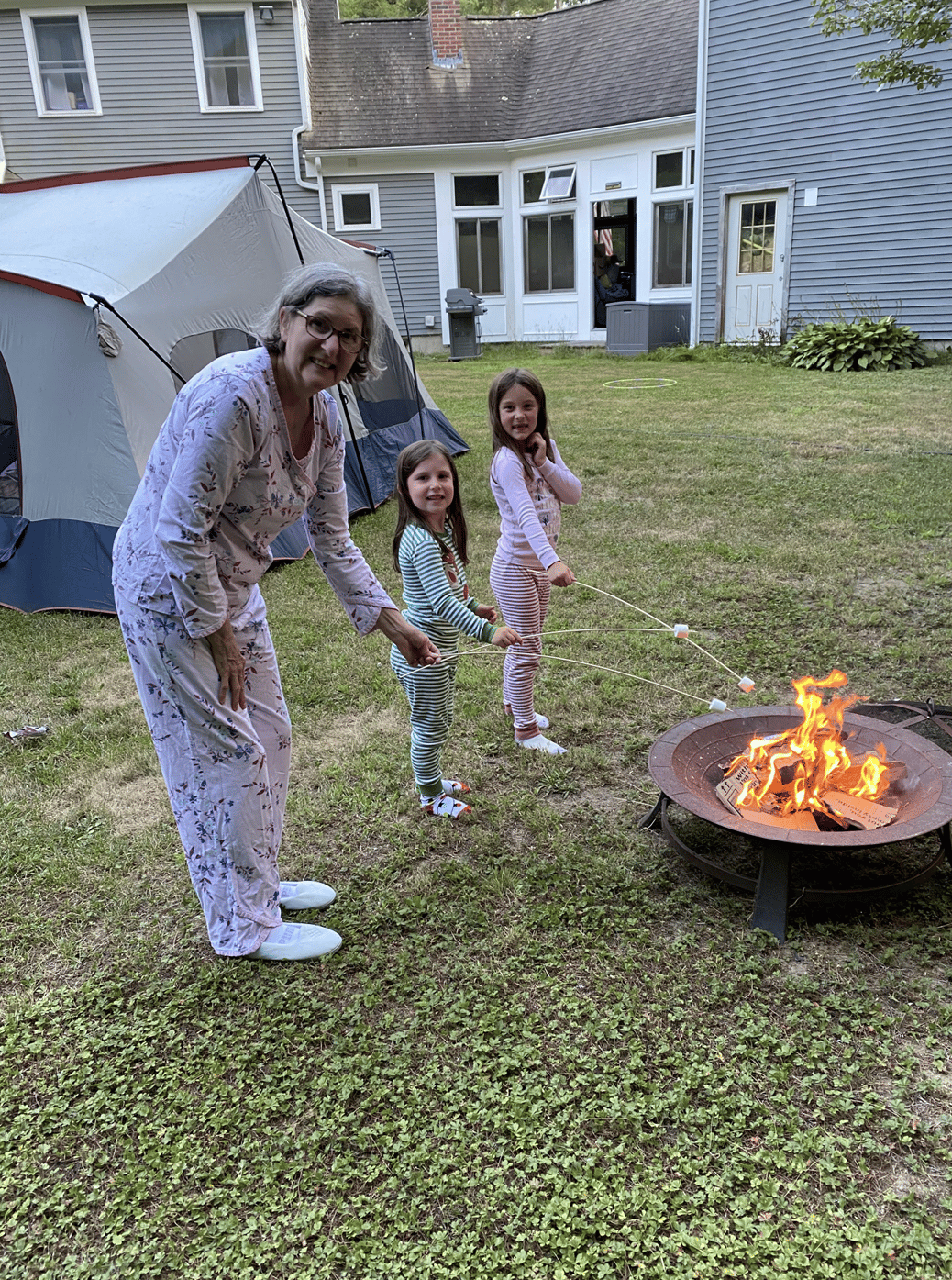
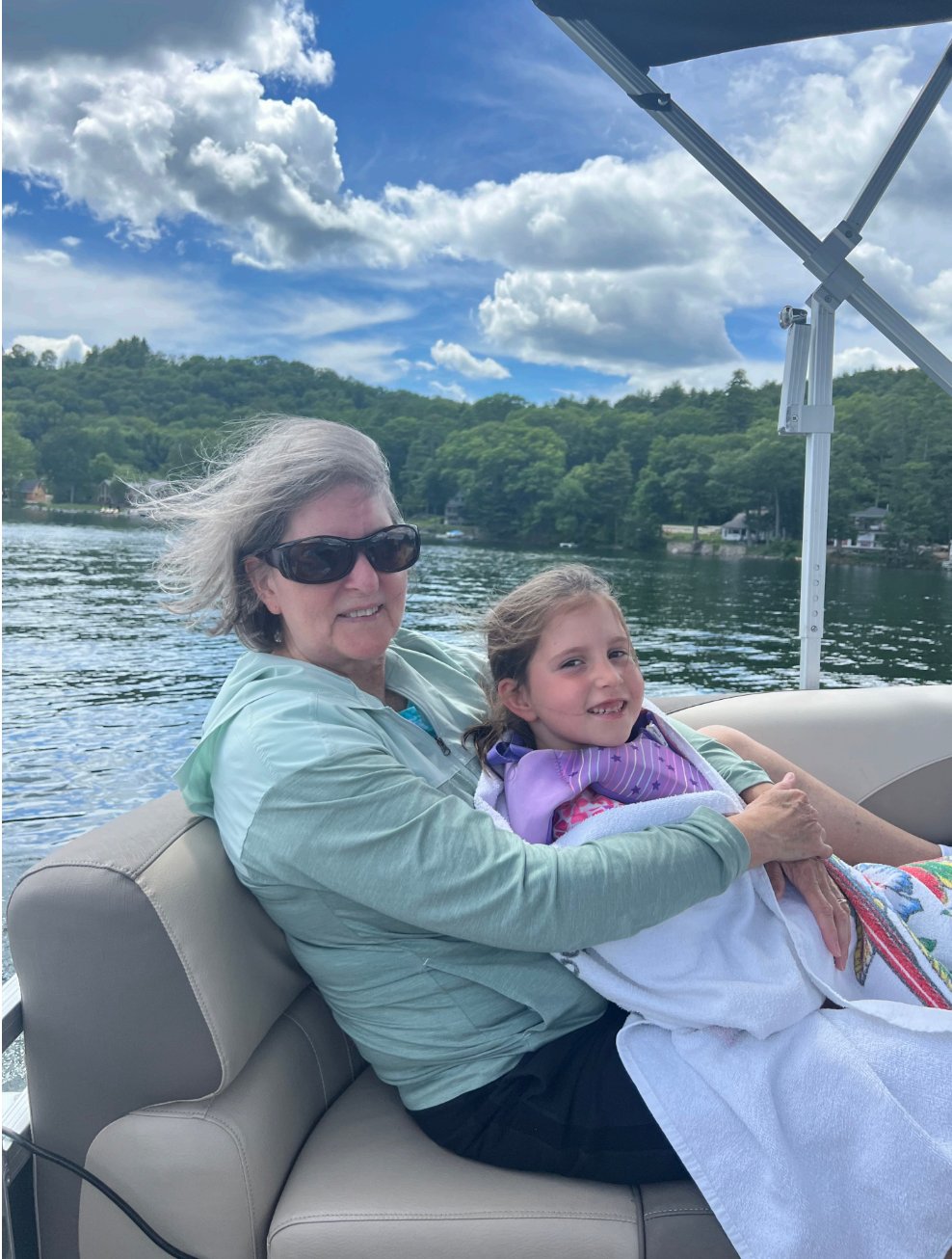
Deborah has always been an active person. She loves camping in Vermont, riding her bike, reading, quilting and baking. Her life has been filled with backyard cookouts, outings with friends and adventures with her family, including tubing with her grandchildren.
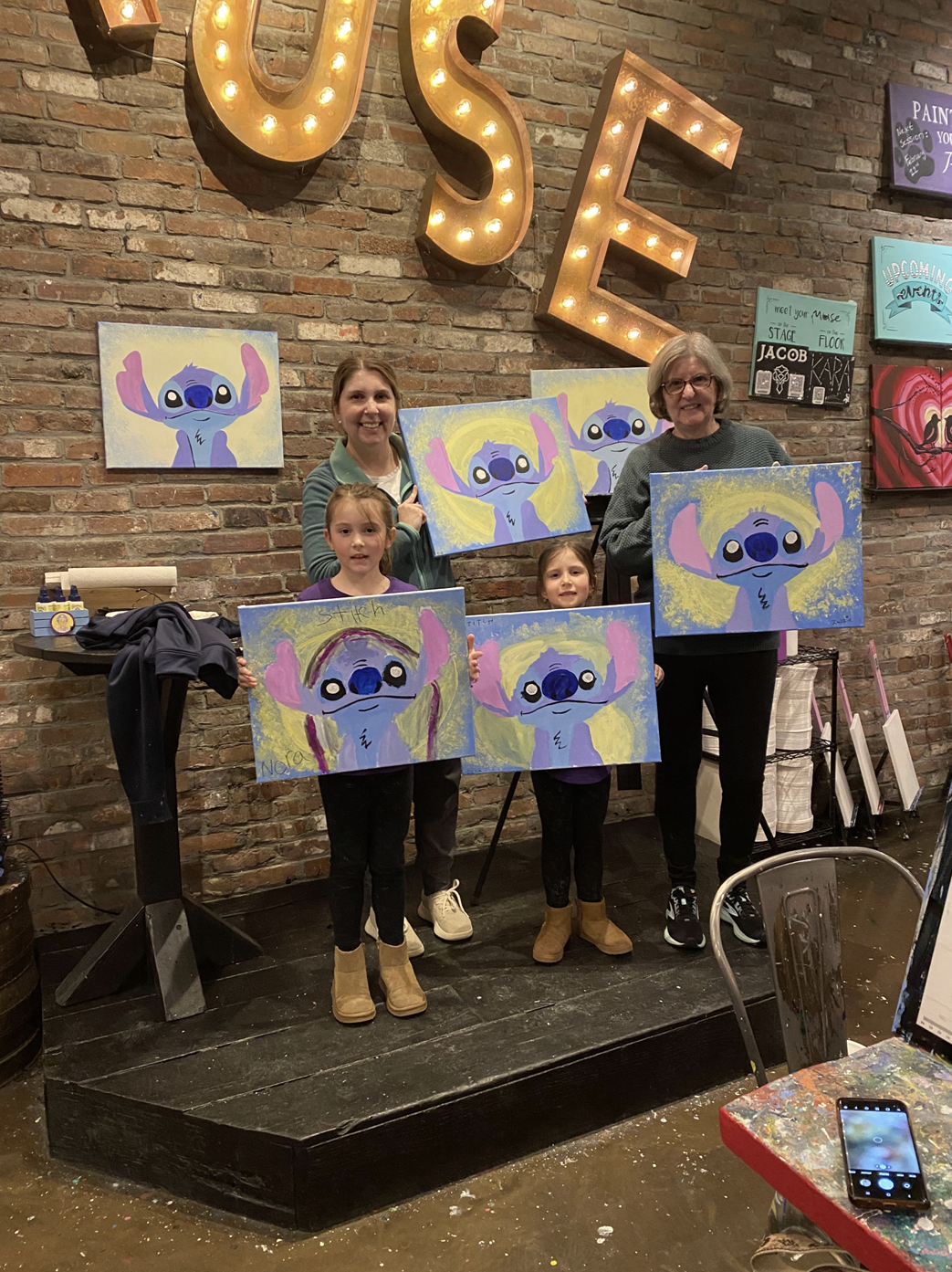
For 25 years, Deborah saved lives as an Emergency Room nurse and ended her lifelong career of helping others as a school nurse.
Then, in 2018, her vision began to slowly take each of her hobbies and passions from her.
Deborah was diagnosed with Fuchs’ dystrophy, an inherited disease that causes the cornea to gradually swell and become cloudy. As the disease progressed, the list of things she could no longer do independently grew.
“I didn't realize the severity of it and what my pathway was going to be,” she said.
First, it became difficult to read recipes and novels. Then came restaurant menus, television subtitles and the small print she encountered every day.
Reading food labels became especially important after Deborah was diagnosed with celiac disease. Eventually, even those labels became impossible to read.
She stopped driving at night. She needed help with her checkbook. Even seeing small cuts or splinters on students at school became difficult.
But one loss hurt more than the others: she could no longer read to her grandchildren.
“It was so embarrassing and so frustrating,” Deborah said. “So, I would always have my husband be my eyes, and he would be my reader. Darkness was not my friend with Fuchs’.”
Fighting to stay independent
Deborah did everything she could to adapt. She enlarged the font size on every screen she used. She used magnifying glasses and kept one in every room of her house and in her purse. She stopped driving at night and sought a second opinion to better understand her condition.
“I persevered and fought and did what I could to remain as independent as possible,” she said.
But Fuchs’ dystrophy continued to chip away at her independence.
By the time Deborah received a cornea transplant in her left eye in April 2026, she had spent years adjusting to a world that was becoming increasingly difficult to see.
Then, life began to come back into focus.
“I can see my computer and the TV. I can walk now and I've started to bike ride again,” she said. “With just the one eye, it's amazing how much I can see now. I can read ingredients when I go grocery shopping. I can read recipes again.”
The gift of sight restored something Deborah hadn’t felt in years: confidence.
“I’m driving more with confidence,” she said. “I'm not worried if it's going to get dark, I know that I can see now, and I'm okay. I don't have to depend on my husband like I was, I can be independent.”
A decision that changes lives
Deborah’s transplant was made possible by the selfless decision of a donor—and by their family’s decision to honor that gift.
Through Eversight’s correspondence program, Deborah wrote a letter to the donor family to express her gratitude. In it, she reflected on something that had once brought her fear: darkness.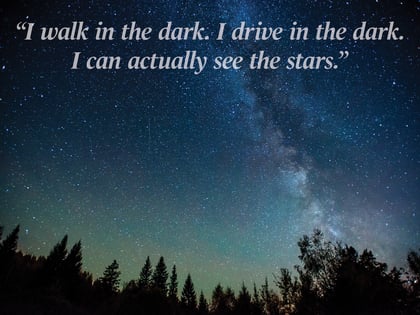
“Getting around in darkness for me was probably the hardest thing with having Fuchs,” she said. “The past few years, darkness has really become something I dreaded, something I feared, because when it was dark, my vision got 10 times worse.”
But now, thanks to their loved one’s gift, Deborah is no longer afraid.
“I walk in the dark. I drive in the dark. I can actually see the stars,” she said.
“I realized that it was my eyes that were causing the problem, not the darkness. I am forever grateful—they basically gave me my world back. They brought back beauty and happiness in my life. It's colorful now, it isn't dark anymore.”
Deborah is scheduled to receive a cornea transplant in her right eye in September and is excited to discover what else the gift of sight will return to her.
“The gift of sight really means the world to me,” she said. “I'm much happier, I feel content. I'm very appreciative of everything. I don't have to depend on people. I'm my own eyes now.”
Continue the cycle of sight
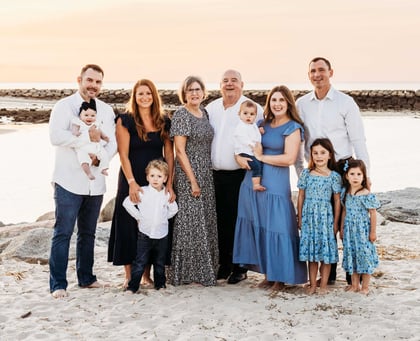 For Deborah, one donor’s gift has meant more than seeing clearly. It has meant reading to her grandchildren again, knowing the ingredients in her food, riding her bike, driving with confidence and looking up at the stars without hesitation.
The gift of sight extends across borders, giving thousands of people, like Deborah, a second chance at sight, and donors and their families are the beginning of that process—bringing those in need out of darkness.
Read more stories of hope and give today to help Eversight continue the cycle of sight and healing.