
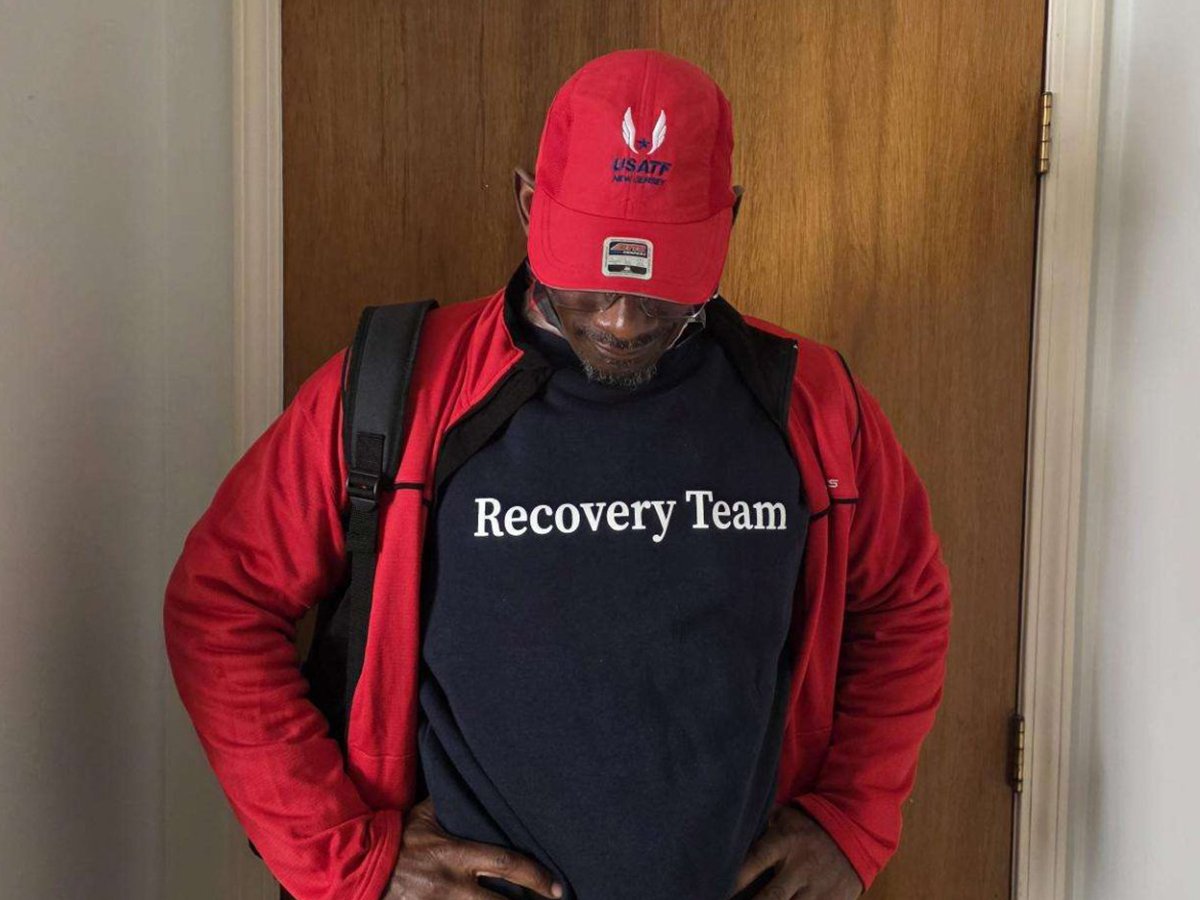
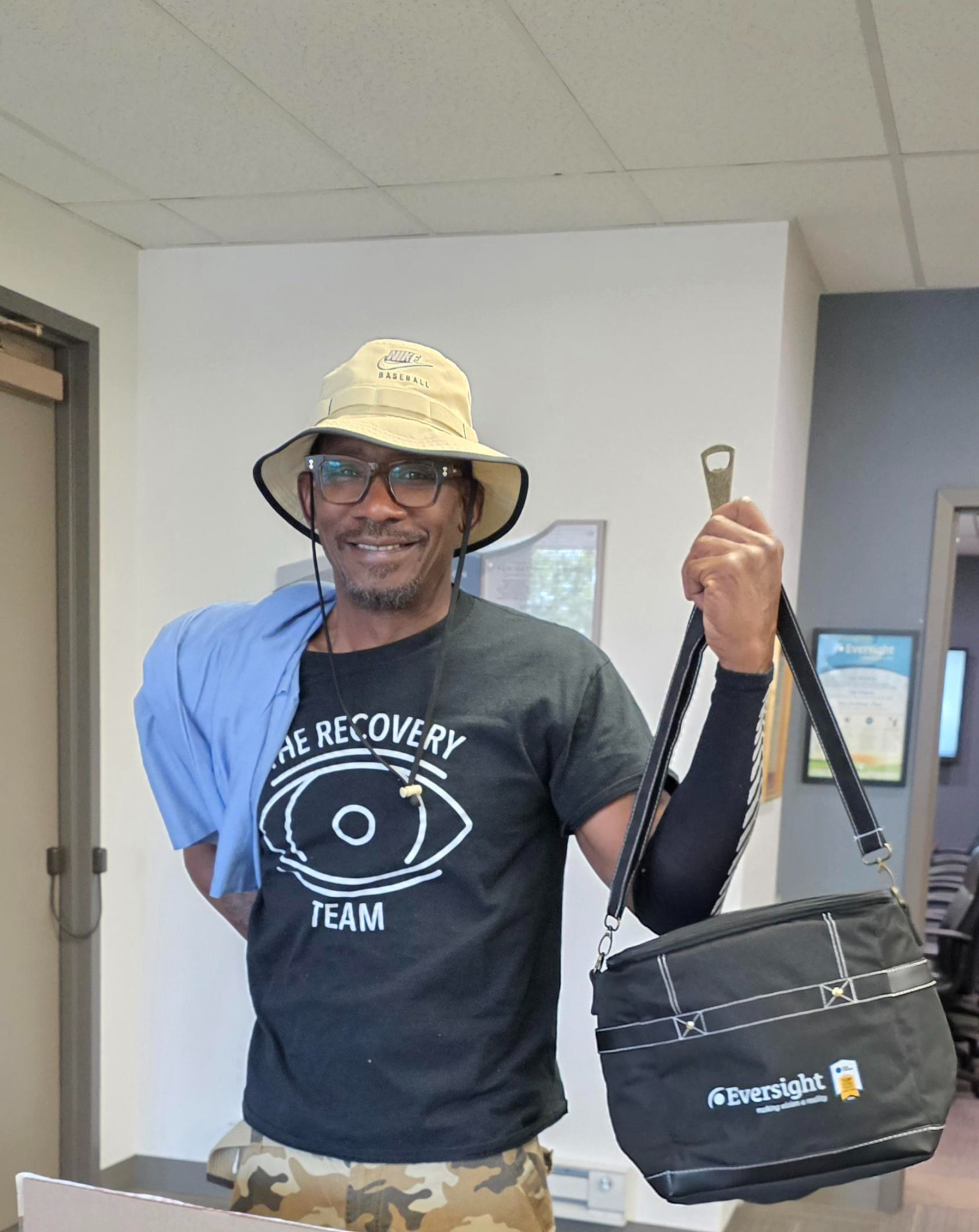
Davis Wilson is the kind of person who makes it easy to understand why he has spent more than two decades in eye banking. He is quick to laugh, always ready with a story and genuinely interested in helping those around him.
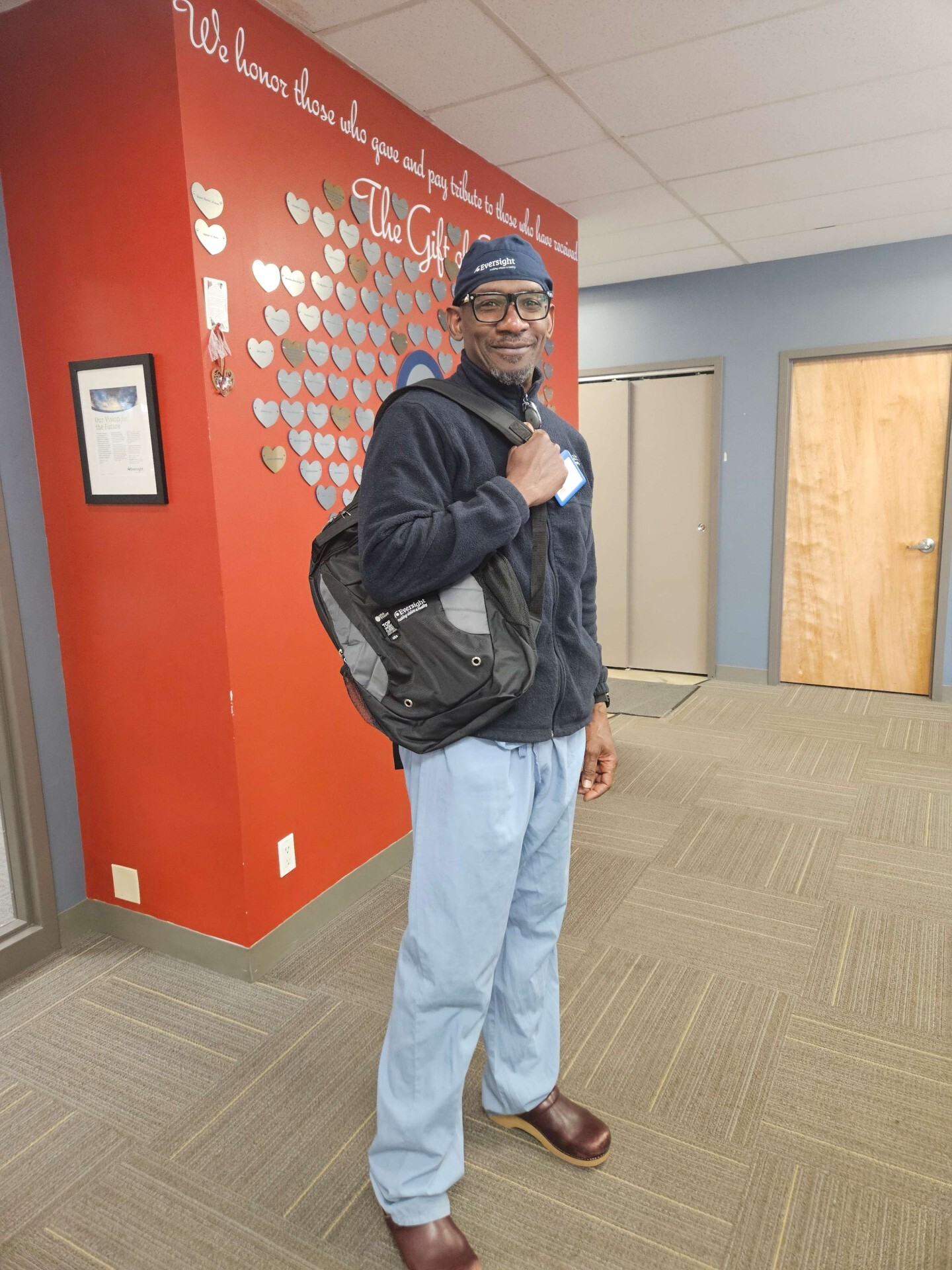
A father, grandfather of three, and former track and field coach, Davis has worked in the field for nearly 25 years, including 21 years with Eversight. Today, he is a Senior Clinical Technician on Eversight’s Tissue Recovery team in New Jersey, helping ensure donated corneal tissue is recovered with care and respect for transplantation, research and education, while helping the next generation of technicians learn the skills and compassion needed to care for every donor.
A path to eye banking
Davis began his career as a surgical technician at a hospital in Union, New Jersey, and worked part-time in other specialized operating room roles. Those experiences eventually introduced him to eye banking, where he was encouraged to observe a recovery of corneal tissue.
It was unlike anything he had encountered in the operating room. That experience sparked Davis's interest in tissue recovery and aligned with his values of helping others. He began working at the Lions Eye Bank of New Jersey, now Eversight, as an auxiliary recovery technician before stepping away to pursue his nursing license. A few years later in 2005, he found his way back to eye banking and eventually joined the Eversight team full time. 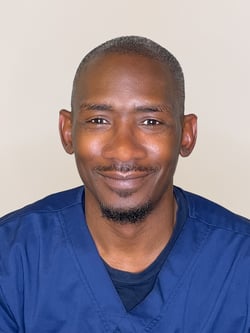
In the early 2000s, tissue recovery technicians were responsible for much more of the donation process. They recovered, processed and evaluated corneal tissue, and even sterilized their own instruments. The New Jersey team was small and worked out of a shared building with Eversight’s partner organ procurement organization, NJ Sharing Network, with much of the work documented by hand.
Davis still laughs when he remembers how different things were.
“There were pages of handwritten charts—front and back—physical files and paper maps we had to use to get to the local hospitals before GPS,” he said. “Our equipment and 24-hour tissue coolers were much smaller because we weren’t sending tissue very far.”
As technology and processes evolved, the work became more streamlined. But the heart of the job remained the same: caring for donors and honoring their gifts through transplantation, research or education.
Learning the work of tissue recovery
Davis still remembers the first recovery he completed independently. After receiving the call, he returned to a hospital where he had once worked as a surgical technician.
This time, he was there in his new role as a recovery technician. He was nervous, but his focus was on maintaining his sterile field and carefully following each step of the recovery process.
With experience, Davis learned that efficiency comes not from rushing, but from knowing the process so well that he can give each step—and each donor—the attention deserved.
That's also the advice he gives the technicians he trains. When you trust your training and stay focused on the process, he explains, you can give every donor the respect they deserve while also ensuring their gift is recovered safely and carefully.
The responsibility recovery technicians carry
Recovery technicians follow a highly regimented process and strict protocols, but the work also brings them into some of the most personal and difficult moments surrounding donation.
Davis doesn't believe the emotional side of the work can simply be turned off. Every donor is different, and every recovery carries its own circumstances. Over the years, he has cared for donors he knew personally, as well as donors whose age or circumstances made the experience especially difficult.
Instead of trying to disconnect from his emotions, Davis focuses on his responsibility. He can't change what happened to the donor, but he can make sure their gift is handled with care and reaches the people who need it.
That perspective has helped him continue doing difficult work while maintaining the compassion that drew him to a career in helping others in the first place.
Honoring every donor
For Davis, honoring a donor starts with doing the job well. Recovering donated corneal tissue carefully and respectfully is one of the most meaningful ways he can acknowledge the gift they have chosen to give.
He also has a more personal ritual: he talks to them.
“It's just a conversation, but I tell them about the day they missed. I tell them about what’s going on that day and say thank you for being a donor and thank you for letting us be able to recover and possibly get your cornea to an individual in need,” Davis said.
It's his way of recognizing that the person in front of him is more than a recovery case. They are someone's loved one, someone who had a life, a family and a story.
And after nearly 3,000 recoveries in his time with Eversight, those stories have changed Davis too.
“Donors have taught me that time is the most valuable thing we have,” he said. “They teach me every day to use it wisely, use as much of it as you can and try not to wait too long. Once we lose time, nothing else matters, so spend more time with people you love and reach out to individuals who you haven’t spoken to in a minute.”
Training the next generation
Today, in addition to recovering corneal tissue, Davis trains New Jersey recovery technicians. After spending years developing his own skills, he now has the opportunity to help others learn the work.
Every technician learns differently, so Davis adapts his approach based on the person in front of him. He focuses not only on technical skills but also on confidence, patience, communication and motivation.
Tissue Recovery can be challenging, and Davis wants his trainees to understand the purpose behind the work they're doing. He reminds them that their responsibility is to respectfully steward each donor’s gift and help ensure it reaches where it needs to go.
Over the years, Davis has had the opportunity to see what happens on the other side of the donation process. He's witnessed cornea transplant recipients learn that their restored vision came from another person and seen the emotion that can come with that realization.
Those moments reinforce why he continues to do the work.
He credits the mentors he encountered along the way for helping shape the eye banker and person he is today. They gave him knowledge and guidance, but they also taught him patience, understanding and the importance of helping others find their way.
Now, he is passing those lessons on.
Learn more
The gift of sight is made possible by the generosity of donors and their families who support and honor the gift of donation. Their generosity creates hope for others and helps restore sight for people around the world.
Learn about the ways Eversight honors the gift of donation and supports recipients throughout their sight restoration journey and join a team that is dedicated to helping others and changing lives.